

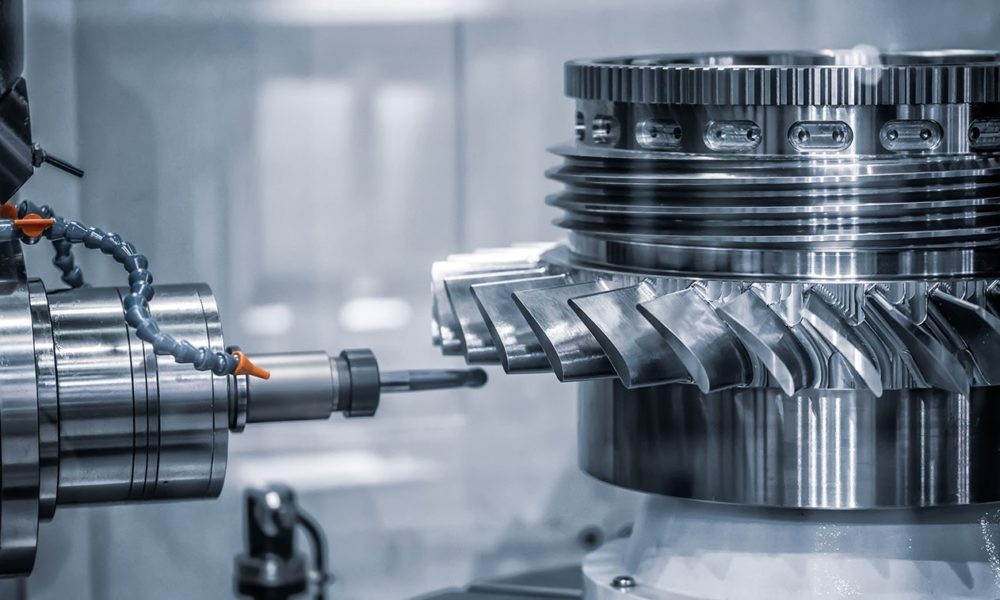
Modern production depends on accuracy and steady output to reduce waste and improve value. Precision machining supports this need by shaping materials with exact control and repeatable quality. It allows better use of raw inputs while lowering unwanted loss during production cycles. Companies achieve stable output with fewer corrections and reduced rework, enhancing performance through thailand precision machining.
Reduced Operational Expenses
Lower energy use and fewer corrections help control spending across production cycles. Consistent processes reduce downtime and limit unexpected interruptions during work stages. Skilled setup supports stable results with less need for repeated adjustments or corrections.
Waste Reduction Techniques
Reducing waste requires careful monitoring and improved handling at every stage of work. Controlled cutting paths help limit unnecessary removal of material during shaping processes. Better tracking systems support improved usage and prevent avoidable loss in production.
- Smart planning reduces unused stock and improves raw material usage efficiency
- Advanced tools support accurate shaping with minimal excess removal during operations
- Controlled processes reduce rework and limit unnecessary production cycle repetition
- Efficient monitoring helps identify waste sources and improve overall handling methods
- Balanced workflow supports better resource usage and reduces production stage losses
Consistent Product Accuracy
Reliable output depends on maintaining strict tolerances and repeatable actions in each stage. Controlled systems ensure each part matches the required shape and size without variation. This stability reduces rejection rates and supports dependable delivery across batches.
Optimized Workflow Integration
Efficient planning connects each step smoothly to reduce idle time and unnecessary delays. Teams can align operations to ensure steady movement from one stage to another. Clear coordination reduces waiting periods and improves overall production rhythm. This leads to better use of time and supports faster completion rates, particularly when supported by thailand precision machining.
Resource Allocation Balance
Proper distribution of tools and effort supports steady use of available capacity. Balanced allocation ensures no stage faces overload or underuse during operations. This improves productivity and supports smooth handling across multiple tasks.
Strong production methods depend on accurate, controlled usage and steady planning across all stages. Careful shaping techniques help reduce waste while improving output stability and overall value. Organizations that follow structured processes can manage resources better and avoid unnecessary loss during work cycles. Clear coordination between stages supports faster completion with reliable results.
FAQs
What benefits does precise production bring to modern manufacturing processes today?
It improves accuracy, reduces waste, and supports steady output with controlled resource usage.
Why do industries focus on improving resource utilization during production activities?
Better resource use lowers cost, improves efficiency, and supports long-term production stability.
How does controlled cutting improve overall output quality in manufacturing processes?
It ensures accurate shaping, reduces errors, and maintains consistent quality across all units.
